Notice what’s not in that formula. Not the latest AR lens. Not the slickest event-tech stack. Not the dashboard. Not the AI co-pilot you just bought a seat license for.
The technology is the floor, not the ceiling. The ceiling is set by the people standing in front of your customer, the brand ambassadors, the field staff, the production crew, the on-site managers. If they feel respected, prepared, and seen, your brand feels alive. If they feel like a line item, your brand feels like one too.
Operational efficiency without workforce experience is a sterile activation that runs on time and goes nowhere. Workforce experience without operational efficiency is a great vibe and a missed call sheet. You need both. And the humans are what fuse them together.
That’s why we built the H.U.M.A.N. framework. Five disciplines that separate experiential workforces that elevate a brand from those that quietly drag it down.
H — Hear Them
Real feedback loops. Before, during, and after the activation.
Most brand teams treat post-event surveys like a compliance task: send it, archive it, never reference it. The teams that win treat insight as an output of every activation, not an afterthought. Your staff sees things your client never will, the line that backed up at 2pm, the prop that broke, the question every consumer asked that wasn’t on the FAQ.
If you’re not capturing that feedback, you’re paying for a focus group and throwing the transcript away.
U — Understand
Brief for brand context, not just logistics.
This is the single biggest gap in brand ambassador management, the difference between good staffing and great staffing. A logistics brief tells someone where to stand and when to break. A brand brief tells them why this product exists and why this brand matters today. One produces compliance. The other produces conviction.
When your field staff can answer “what is this brand really about?” in their own words, you’ve stopped renting bodies and started borrowing belief.
M — Measure
Track staff satisfaction alongside NPS.
Workforce retention is a leading indicator of brand experience quality. Full stop. If your roster churns, your brand IQ resets every quarter. If your staff comes back season after season, your activation gets sharper every time even if nothing else in your stack changes.
Put workforce metrics on the same dashboard as your consumer metrics. They aren’t separate stories. They’re the same story told from two sides of the table.
A — Appreciate
Public recognition. Rebook by name. Pay on time. Tiny signals, enormous impact.
This is where most agencies leak goodwill, not because they don’t care, but because the small things slip when the calendar is full. A late payment isn’t just a finance issue; it’s a brand issue. Forgetting someone’s name on a rebook isn’t a scheduling glitch; it’s a relationship break.
Appreciation isn’t a budget line. It’s a discipline. The agencies that practice it have the best freelancers’ calls returned first.
N — Normalize Care
Care shouldn’t be a program. It should be how your team talks about people every day.
The moment “care” becomes an initiative with a quarterly cadence, you’ve already lost it. Care lives in the language your producers use about crew. In how your account leads talk about ambassadors when they think no one’s listening. In whether “talent” is a noun you respect or a category you spreadsheet.
You can feel the difference in five minutes on a job site.
Why This Matters for Brand Marketers and Agencies
Brand marketers spend enormous energy crafting the story, the spot, the social cut, the in-store moment. Then they hand that story to a workforce, and effective brand ambassador management is what determines whether it survives the last mile. That’s the last-mile problem brand ambassador management is supposed to solve.
It rarely does. Not because the people are bad, but because the operating model treats them like switchable inputs.
According to EventTrack research, 59% of experiential marketers say lack of team resources is their single biggest operational challenge, even as 74% of Fortune 1000 marketers plan to increase spending. More budgets. Same talent pool. The complexity of managing that workforce well across multiple markets, on fast timelines is where brand experience is won or lost.
The brands and agencies that pull ahead in the next cycle won’t be the ones with the most expensive activation tech. They’ll be the ones whose workforces show up sharper, stay longer, and speak about the brand the way the brand speaks about itself.
That’s not a technology problem. That’s a human one.
Turn H.U.M.A.N. Into a Habit, Not a Slide
A framework is only as good as the rituals you build around it. Pick one letter this quarter. Make it operational, not aspirational. Then move to the next.
Hear them: Add a 5-question post-shift form, and read every response within 48 hours.
Understand: Rewrite one brief to lead with brand purpose before logistics.
Measure: Put workforce retention on the same scorecard as consumer NPS.
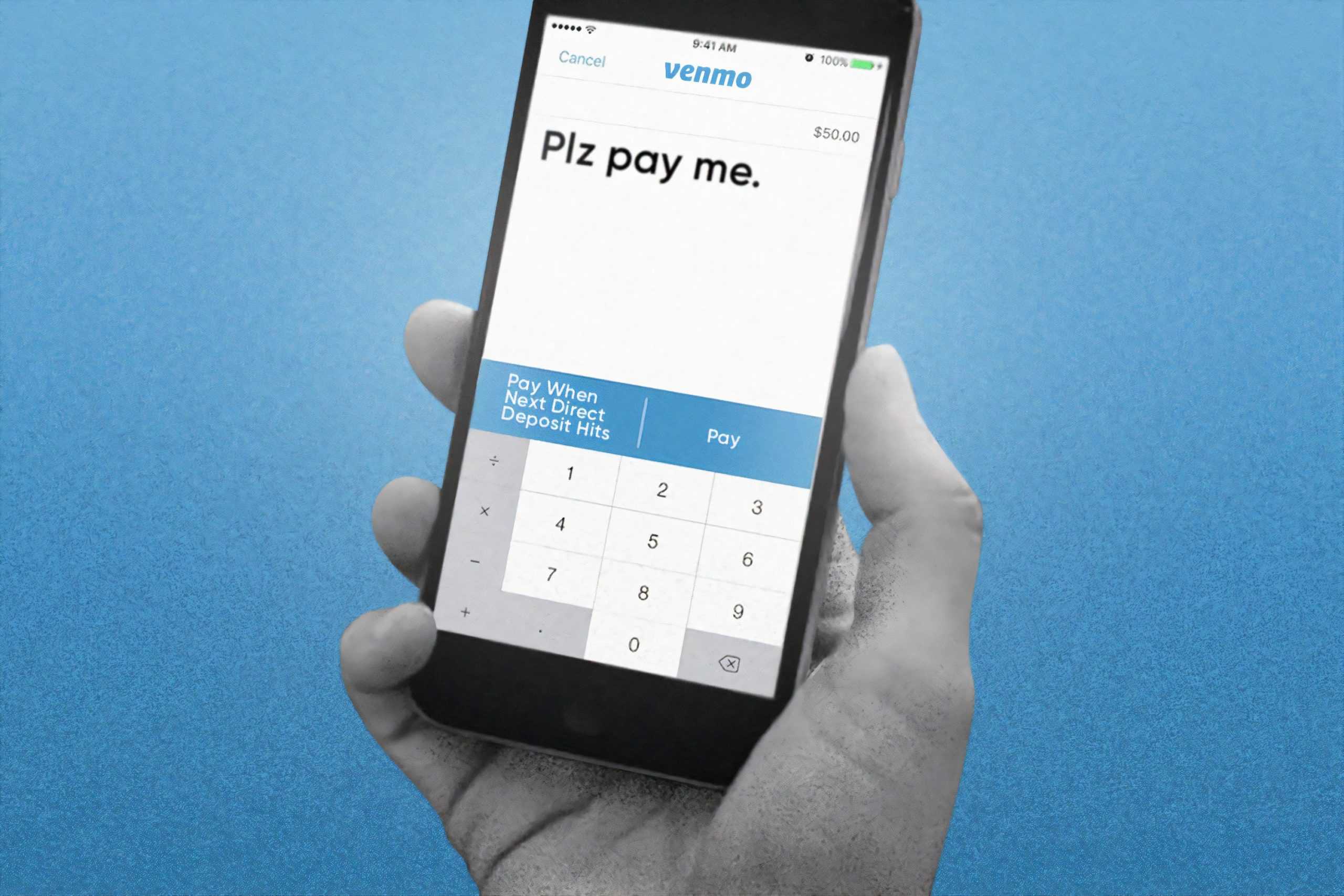
Appreciate: Pay everyone within seven days this month. Watch what happens.
Normalize care: Audit how your team talks about freelancers in internal channels.
Operational efficiency gets the activation done. Workforce experience makes it land. Together, and only together, they produce the brand experience your client actually paid for.
The humans are what make it work. Everything else is overhead.
Frequently Asked Questions
What is the H.U.M.A.N. framework for brand ambassador management?
The H.U.M.A.N. framework is a five-part approach to brand ambassador management that prioritizes workforce experience as a direct driver of brand experience quality. The five disciplines are: Hear them (real feedback loops before, during, and after), Understand (brief for brand context, not just logistics), Measure (track staff satisfaction alongside consumer NPS), Appreciate (pay on time, rebook by name, recognize publicly), and Normalize care (make care a daily practice, not a quarterly initiative).
Why does workforce experience affect brand experience?
Your brand ambassadors and event staff are the last mile of your brand story. Consumers don’t remember signage or tech activations, they remember how the person in front of them made them feel. When staff are disengaged, under-briefed, or underpaid, that shows up on the show floor as inconsistent delivery, off-message interactions, and a diluted brand experience. Research shows that 42% of consumers can recall an inconsistent brand interaction at a live event.
What is the biggest gap in event staff management today?
The biggest gap is treating pre-event briefings as logistics check-ins rather than brand immersion sessions. When field staff don’t understand why a product exists or what the brand stands for, they can only deliver accuracy, not conviction. The brands that win lead every brief with brand purpose before they get to call times and break schedules.
How do you measure workforce experience in experiential marketing?
The most effective teams track workforce metrics — staff retention rates, rebook rates, post-shift survey scores — on the same dashboard as consumer NPS. Workforce retention is a leading indicator of brand experience quality: if your roster churns, your brand’s on-site IQ resets every quarter. If the same staff return season after season, your activations get sharper even when nothing else changes.
How does fast contractor payment improve brand activations?
Pay speed is one of the most overlooked levers in workforce experience. When brand ambassadors and event staff wait 30+ days for payment, it signals they’re a low priority, and that signal affects their next engagement. Agencies and brands that pay quickly (under 7-15 days) consistently see higher rebook rates, stronger word-of-mouth within talent networks, and better on-site performance from staff who feel valued.
About PayReel: PayReel partners with brand marketers and agencies to bring structure and compliance to brand ambassador management. From worker classification and compliant onboarding to payroll and workforce reporting, PayReel handles the operational backbone so your teams can focus on the human elements that make activations work.
If your brand ambassador management program depends on people showing up sharp, paid on time, and proud to represent your brand — let’s talk.